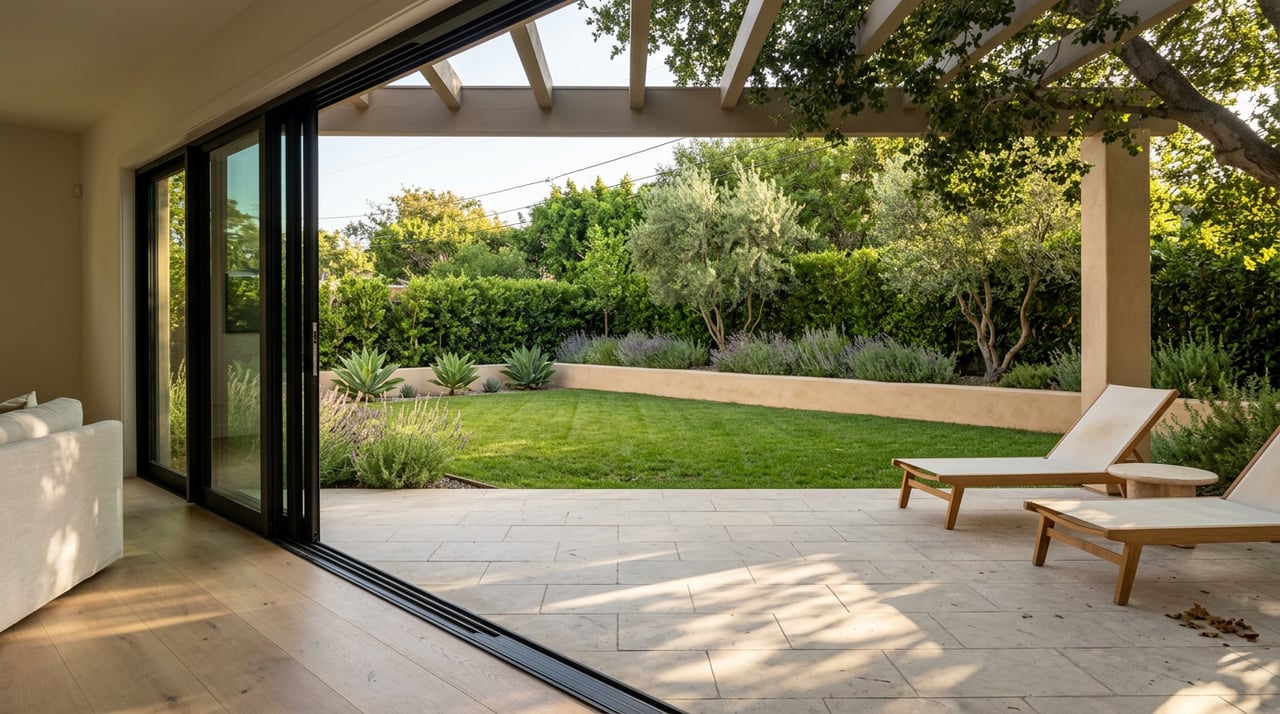
Choosing between sunny Carmel Valley and seaside Carmel-by-the-Sea can feel like picking between two great routines. Maybe you crave warm afternoons, space to garden, and easy winery stops. Or you want a short walk to the beach, cool mornings, and a compact, charming village. In this guide, you’ll compare microclimates, outdoor access, commute patterns, home settings, and everyday trade-offs so you can decide what fits your life best. Let’s dive in.
Distance, weather, and feel
Carmel Valley sits inland to the east, while Carmel-by-the-Sea is the compact coastal village on the Monterey Peninsula. The two are about 10 to 15 miles apart, a drive that typically takes 15 to 25 minutes in normal conditions depending on start and end points. You can see an example of the route and timing in this overview of the Carmel Valley to Carmel-by-the-Sea drive. That short hop makes it easy to enjoy both in a single day.
Weather is where they differ most. Carmel-by-the-Sea sits under a regular marine layer with more foggy or misty mornings and milder daytime highs year-round. For a data view, see the Carmel-by-the-Sea climate summary. Carmel Valley is sunnier and warmer on average, with more clear afternoons and warmer evenings, which you can see in the Carmel Valley Village weather profile.
Morning-to-evening routines
A Carmel Valley day
Start with a sunrise hike on the trails at Garland Ranch Regional Park. As the day warms, you can garden, swim, or host an easy outdoor lunch. In the afternoon, visit a local tasting room or plan dinner at a nearby estate property like Bernardus. Evenings often stay warm enough for stargazing on the patio.
A Carmel-by-the-Sea day
Begin with a cool, crisp walk along Scenic Road or Carmel Beach, then grab coffee and browse galleries in the village. Around midday, you can drive a few minutes south to explore the coves and short hikes at Point Lobos State Natural Reserve. Return to the village for dinner and a sunset stroll on the sand.
Outdoor access you’ll use most
Trails and parks
If you want a daily dose of inland trails, Carmel Valley puts you close to thousands of acres at Garland Ranch Regional Park. It is a go-to for hikers, runners, and families who want longer routes with elevation and river access in season. In Carmel-by-the-Sea, you trade deep valley trails for immediate coastal walks and bluffs, plus quick access to Point Lobos for short, dramatic shoreline hikes and marine viewing.
Wineries and tasting rooms
Carmel Valley is the local wine corridor, with estate vineyards and clustered tasting rooms that are easy to visit on a short drive or a single outing. If you imagine vineyard dinners and weekend tastings as part of your routine, living in the Valley makes that simple, with options like Bernardus. Carmel-by-the-Sea has walkable tasting rooms in the village, but for vineyard visits you will drive inland.
Crowds and quiet
Carmel-by-the-Sea is a beloved coastal destination with a compact, walkable core. During peak seasons and special events, parking and public spaces can be busier. The Valley sees weekend activity around tasting rooms and events, yet it generally feels more open and residential day to day. The concentration of coastal attractions, including Point Lobos, explains much of the visitor pattern.
Home settings and character
Carmel-by-the-Sea homes
Inside the village, you will find small-lot cottages and village homes, many with notable character and careful exterior design. Local design review aims to preserve the village look and feel, which creates a curated streetscape but leaves less room for large-lot expansion. You can see how policy shapes character in this overview of village design and review context.
Carmel Valley homes
The Valley offers a wider range of property types, from single-family ranch houses to estate properties, equestrian parcels, and vineyard sites in select areas. Larger lots and space for outbuildings or small-scale agriculture are more common. That pattern reflects county zoning and the valley’s rural and agricultural framework; you can review land-use context in Monterey County’s planning and land use regulations.
Budgets and how to read them
Published market snapshots consistently show a substantial average premium for Carmel-by-the-Sea compared with inland Carmel Valley. Exact medians vary over time and by dataset, especially in the village where a small number of high-end sales can swing the numbers. A better approach is to think in ranges and recent comparable sales for your target property type and street. When you are ready to set a search budget, use current local comps and on-the-ground context to keep expectations aligned with what is active and pending right now.
Commute and connectivity
Driving patterns
Most residents in both places rely on a car. The Valley’s location offers quick access to the peninsula, with common drives to central Monterey in about 15 to 25 minutes depending on route and time of day. Drives to the South Bay are possible but much longer, generally over an hour and a half, so consider how often you plan that trip when you weigh location.
Public transit basics
Fixed-route transit exists but is limited. Monterey-Salinas Transit operates Route 24, which connects Carmel Valley with the Crossroads area near Carmel and the broader system. For schedules and stops, see MST Route 24. Transit can help for select trips, though most daily commuters still prefer to drive.
Maintenance and materials
Coastal homes near the ocean face more exposure to salt-laden air, which can increase corrosion on metal fixtures and accelerate wear on paint and exterior finishes. Inland Valley properties usually need less aggressive corrosion mitigation. If you are comparing two similar homes, factor in routine upkeep and choose exterior materials designed for coastal environments when you are closer to the ocean. For a practical primer, review this coastal home maintenance guide.
How to choose your fit
- Choose Carmel-by-the-Sea if you want daily beach walks, a compact and walkable village, short strolls to restaurants and galleries, and you are comfortable with coastal-market pricing, some visitor activity, and ongoing coastal maintenance.
- Choose Carmel Valley if you want more space and privacy, a warmer and sunnier microclimate, quick access to multi-mile trails, and frequent vineyard or tasting room visits as part of your week.
- Hybrid strategy: Live in the Valley for space and sun, and drive to the village for beach time and dinners. The short commute between the two makes this a common pattern.
A two-day “test drive” plan
Try this simple plan before you choose:
- Day 1 in Carmel Valley
- Morning: Hike a favorite loop at Garland Ranch. Notice the sun and temperature by late morning.
- Afternoon: Visit a tasting room or plan an early dinner at Bernardus. See how the day feels when you are back home at dusk.
- Day 2 in Carmel-by-the-Sea
- Morning: Walk Carmel Beach and the Scenic Road pathway. Note the marine layer and the cooler air.
- Midday: Explore one to two short trails at Point Lobos. Return to the village for dinner and a sunset stroll.
As you do this, watch parking and drive times at different hours, and think about your real weekday commute. That real-world feel test often makes the decision clear.
Ready to compare homes together?
If you want a calm, step-by-step process to choose between these two great options, you have help. I will walk you through microclimate checks, sample commutes, and recent local comps so you can buy with confidence. When you are ready, schedule a consultation with Mark Cohan to plan your next steps.
FAQs
How far is the drive between Carmel Valley and Carmel-by-the-Sea?
- The two are roughly 10 to 15 miles apart, and typical drives take about 15 to 25 minutes in normal conditions, as shown in this route overview.
What is the key microclimate difference I will feel day to day?
- Carmel-by-the-Sea has more foggy or misty mornings and milder highs, while Carmel Valley is sunnier and warmer with clearer afternoons; see the coastal climate profile and valley weather profile.
Which area puts me closest to longer inland trails?
- Carmel Valley places you near Garland Ranch Regional Park, a large trail network that is popular for hikes, runs, and family outings.
Which area is better for regular beach walks and short coastal hikes?
- Carmel-by-the-Sea offers immediate access to Carmel Beach and the Scenic Road pathway, plus a short drive to Point Lobos State Natural Reserve for tidepools and shoreline trails.
How do home types and lot sizes typically differ?
- Village homes in Carmel-by-the-Sea are often cottages on smaller lots shaped by local design review, while the Valley offers a wider range including larger lots, estate and equestrian properties, and agricultural uses under county zoning; see village design context and county land-use regulations.
Are there public transit options between Carmel Valley and the peninsula?
- Yes, Monterey-Salinas Transit operates Route 24 between Carmel Valley and the Crossroads area near Carmel; check the current MST Route 24 schedule for details.
Do coastal homes require different maintenance than inland homes?
- Yes, coastal salt air increases corrosion and exterior wear, so plan for more frequent upkeep and choose materials designed for coastal environments; see this coastal maintenance guide.
