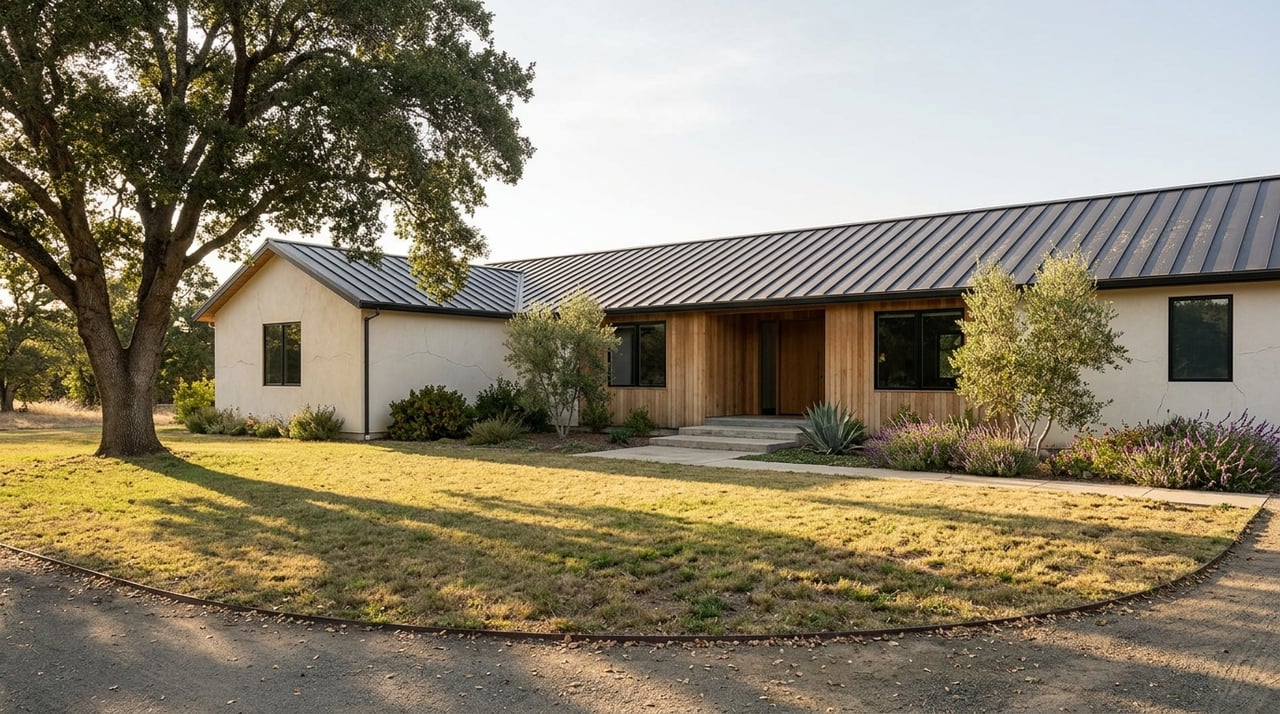
Wondering whether Carmel Valley fits the life you want next? If you are choosing between coastal convenience and a more spacious, inland setting, this is one of those Monterey County locations where the details really matter. Carmel Valley offers a distinct mix of wine-country scenery, a small village core, and more rural residential pockets, and understanding that balance can help you make a smarter move. Let’s dive in.
What Carmel Valley feels like
Carmel Valley is not a beach town in the usual sense. It begins inland from Highway 1 at Carmel Valley Road and stretches through a scenic route that passes places like Earthbound Farm, Folktale Winery, and Garland Ranch, according to See Monterey’s scenic-drive guide.
That inland setting shapes the day-to-day experience. The area is best understood as a small village center with surrounding residential areas that become increasingly country-like as you move outward, based on Monterey County planning documents.
If you want a place that feels calmer, greener, and less built-up than many coastal areas, Carmel Valley may check a lot of boxes. If your priority is stepping out your door and walking to the beach, this setting may feel less convenient.
Who Carmel Valley tends to suit
Carmel Valley often appeals to buyers who want space, scenery, and a quieter pace. Because it is inland, you get a different rhythm here than you would in more coast-facing parts of the Monterey Peninsula.
This can be a strong fit if you value:
- A more rural or semi-rural feel
- Detached homes and larger parcels
- Warmer inland afternoons
- Access to wineries, trails, and open space
- A village area with some walkable dining and tasting rooms
It may be less ideal if you want:
- Immediate beach access
- A dense, highly walkable town layout
- A more urban or suburban neighborhood pattern
Village core vs rural pockets
One of the most important things to understand about Carmel Valley is that it is not all one thing. There is a concentrated commercial center in and around Carmel Valley Village, and then there are surrounding residential areas that transition to a more rural periphery, according to county planning language.
That means your experience can vary quite a bit depending on where you buy. In the village area, you may find a more compact setting with easier access to restaurants and tasting rooms. Farther out, the feel can shift toward larger lots, winding roads, and more privacy.
For many buyers, that range is part of the appeal. You can choose a setting that leans more social and convenient, or one that feels more tucked away and land-oriented.
Home types you are likely to find
Carmel Valley is often associated with detached homes, larger parcels, and land, and the available data supports that view. County land-use documents show low-density and rural-density residential designations in the area, which helps explain why these property types are common.
At the same time, the market is not limited to estate homes. A current county project in the broader master-plan area includes single-family lots, condominiums, and half-plexes, according to the Rancho Cañada Village subdivision materials.
Based on current listing patterns, you are likely to see:
- Detached single-family homes
- Ranch-style and estate-style properties
- Acreage and vacant land parcels
- Some multifamily opportunities
- Limited higher-density options in certain planned areas
If your goal is to find a turnkey condo-heavy market, Carmel Valley may not offer the same volume of options as more urbanized areas. If you want a home with land, privacy, or a more natural setting, the market may feel more aligned.
What prices look like now
Pricing in Carmel Valley spans a wide range, so it helps to enter your search with realistic expectations. Zillow’s market page shows an average home value of $1,403,149, down 2.9% year over year, with 29 homes for sale and a median list price of $1,769,667 as of February 28, 2026.
Current listings suggest that many homes fall roughly in the $1.2 million to $3 million range, while acreage lots are showing up around $425,000 to $930,000. Higher-end inventory includes listings at $7.95 million and $12.5 million, according to current Carmel Valley listings.
The key takeaway is simple: Carmel Valley has meaningful variety, but it is still a premium market. Your buying strategy should account for not just price, but also land, access, condition, and how close you want to be to the village versus farther inland roads.
Recreation and lifestyle anchors
For many buyers, lifestyle is where Carmel Valley stands out most. One of the biggest anchors is Garland Ranch Regional Park, which sits about 8.6 miles east of Highway 1 and offers trails through floodplain, oak savannas, canyons, and redwoods.
The park supports hiking, horseback riding, jogging, walking, bird watching, photography, and limited mountain biking. If you want regular access to outdoor recreation without leaving the area, that is a real advantage.
Carmel Valley also has a strong wine-country identity. Monterey County Vintners notes that the Carmel Valley AVA spans more than 19,000 acres, with about 300 acres of grapes under cultivation, reinforcing the area’s character as a vineyard and winery setting.
In Carmel Valley Village, See Monterey describes a walkable cluster of tasting rooms and restaurants. That gives you some local energy and convenience without changing the area’s overall slower, inland feel.
Climate matters more here than you think
If you are comparing Carmel Valley to more coastal parts of the peninsula, weather deserves a close look. See Monterey’s weather guide describes Monterey County as generally mild and sunny, with coastal fog often burning off by midday, while inland valley areas are significantly warmer.
September is typically the hottest month, with valley temperatures reaching around 90 degrees Fahrenheit. January and February are the coolest and wettest months.
That difference can be a plus or a minus depending on your preferences. If you enjoy warmer afternoons and sunnier inland conditions, Carmel Valley may feel more comfortable than foggier coastal spots. If you prefer cooler marine weather, it is worth weighing that carefully before you buy.
How close is Carmel Valley to the coast?
This is one of the most common questions buyers ask. The Carmel Valley Branch Library says the valley stretches about 15 miles from Cahoon Ranch to Carmel Bay.
In practical terms, that means you are not cut off from the coast, but you are choosing a location with a real inland identity. You can still reach coastal destinations, but Carmel Valley is better understood as a place with its own setting and pace, not as an extension of beachfront living.
That distinction is important because it affects your daily routine. Your commute patterns, temperature preferences, and lifestyle priorities should all factor into whether the location feels right over time.
Questions to ask before you buy
If you are seriously considering Carmel Valley, a few practical questions can help you evaluate fit:
- Do you want a walkable village feel, a rural property, or something in between?
- Are you comfortable with a short drive to coastal destinations rather than immediate access?
- Would warmer inland temperatures improve your quality of life?
- Do you want land, privacy, or extra outdoor space?
- Are you looking for a detached home, vacant land, or a lower-maintenance option if available?
These questions may sound simple, but they help you move beyond surface-level impressions. A smart home search starts with understanding how you want to live, not just what looks appealing online.
Why local guidance helps in Carmel Valley
Carmel Valley has more variation than many buyers expect. Location within the valley, parcel type, access, surrounding land use, and home style can all shape value and day-to-day livability.
That is why it helps to work with someone who can guide you through the tradeoffs calmly and clearly. Whether you are looking for a village-adjacent home, a property with land, or a lower-maintenance option where available, a focused strategy can help you narrow the market and avoid wasted time.
If you are thinking about a move in Carmel Valley or anywhere on the Monterey Peninsula, Mark Cohan can help you evaluate the options with steady guidance, practical insight, and a clear plan that protects your priorities.
FAQs
Is Carmel Valley in Monterey County a beach town?
- No. Carmel Valley is an inland valley setting, not a coast-hugging beach town, though it connects to the coast through Carmel Valley Road and Carmel Bay.
What kinds of homes are common in Carmel Valley, CA?
- Detached single-family homes, ranch-style and estate-style properties, and vacant land are common, with some condos and half-plexes planned in parts of the broader master-plan area.
Is Carmel Valley Village walkable for dining and tasting rooms?
- Yes. The village has a walkable cluster of tasting rooms and restaurants, even though the larger Carmel Valley area is more spread out.
How warm does Carmel Valley get compared to the coast?
- Carmel Valley is typically warmer than coastal Monterey Peninsula areas, and September temperatures can reach around 90 degrees Fahrenheit.
How far is Carmel Valley from Carmel Bay?
- Carmel Valley stretches about 15 miles from Cahoon Ranch to Carmel Bay, according to Monterey County library information.
Is Carmel Valley a good fit if you want land and privacy?
- It can be. County land-use patterns and current listings suggest Carmel Valley is a strong option for buyers looking for lower-density housing, larger parcels, and a more rural feel.
